
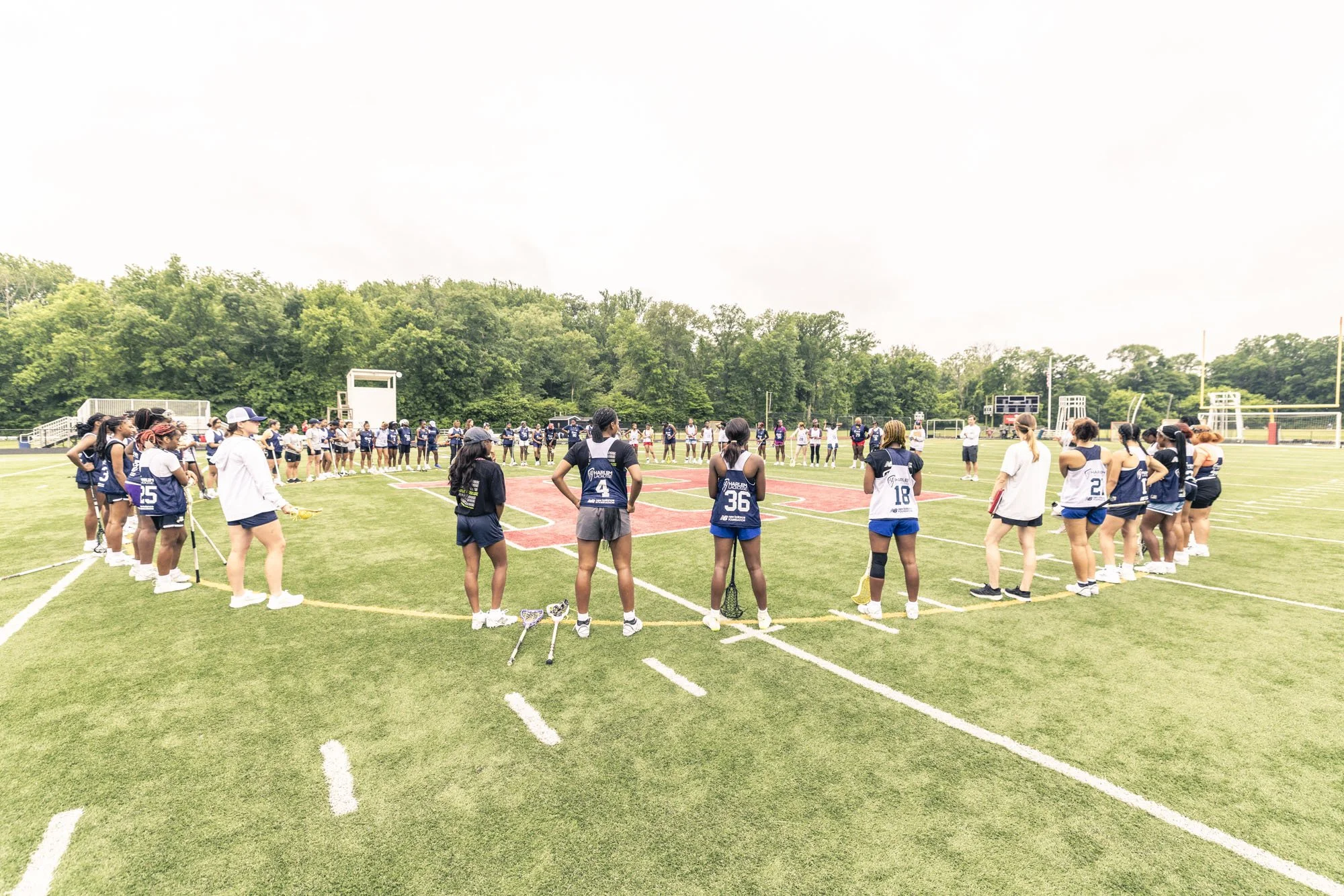
Mission
To provide opportunities, relationships, and experiences that activate the skills and traits to put youth on a path to success as students, athletes, and citizens.
Vision
To empower the kids who are most at risk for academic decline and dropout to rise above their challenges and reach their full potential.
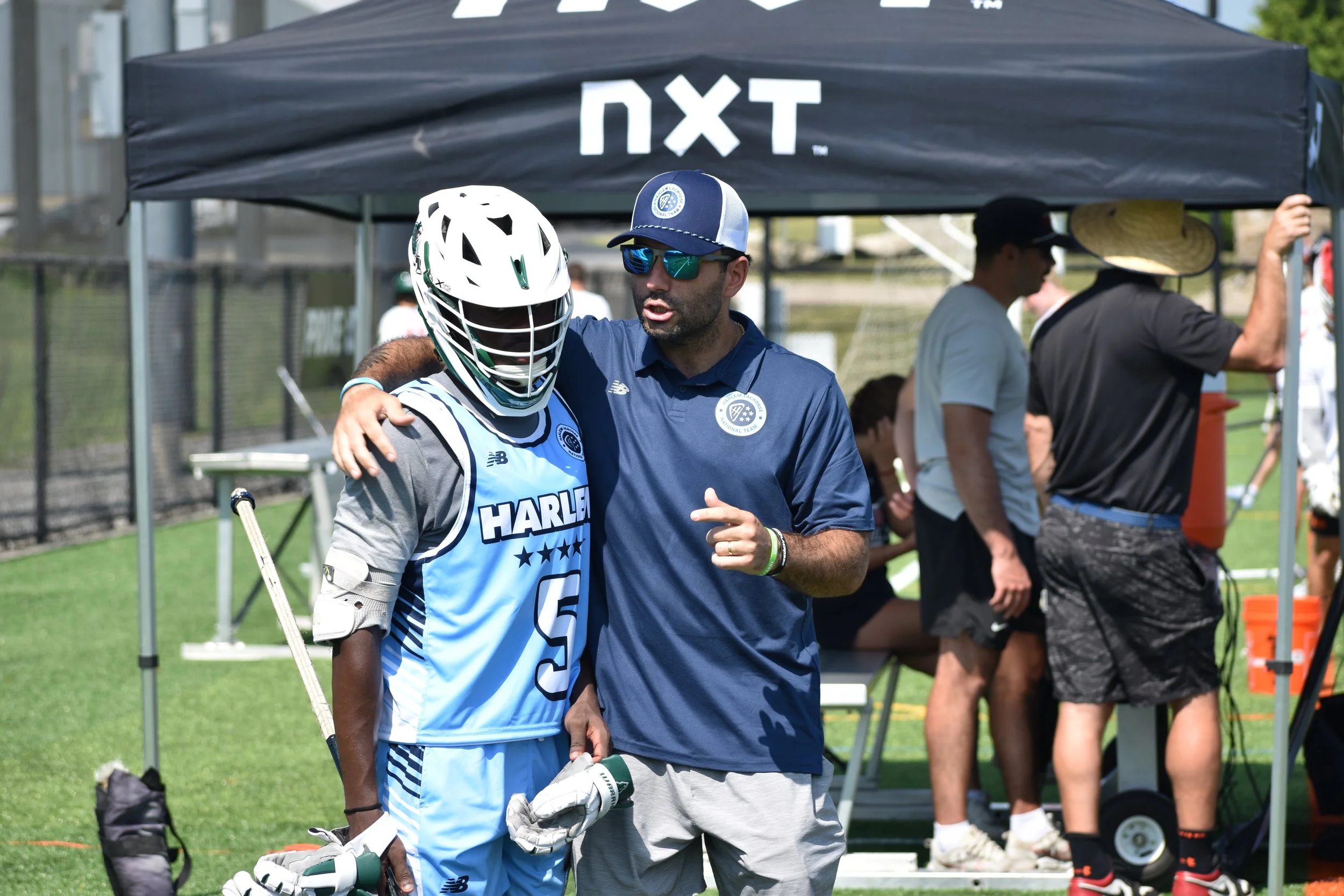
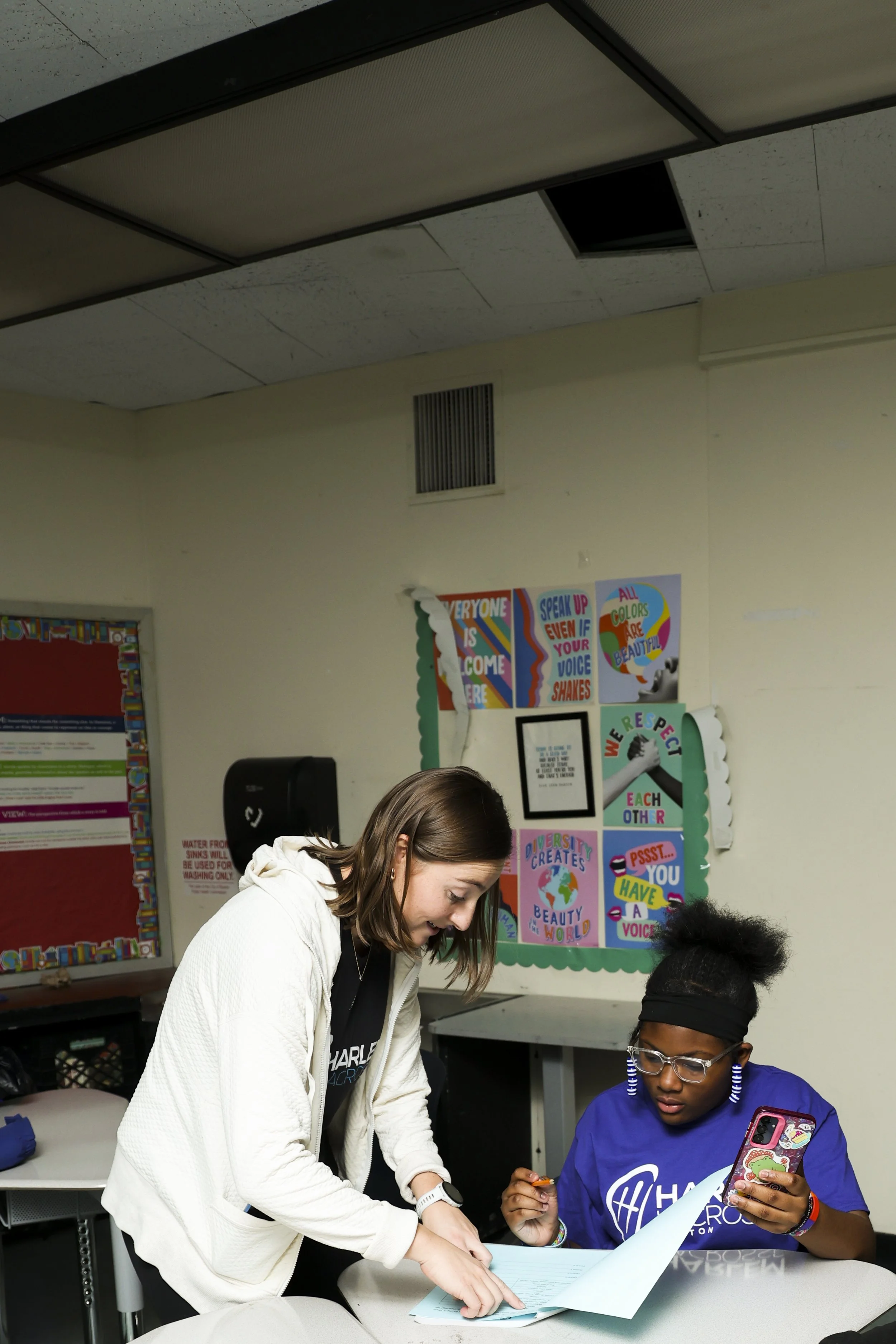
Coach • Tutor • Mentor • Counselor • Advocate
WHAT WE BELIEVE
Click To Expand
-
Children who are Black, Brown, Indigenous, and LGBTQ+ are disproportionately impacted by unjust laws, policies, and cultural biases that force them to jump needless hurdles throughout childhood.
-
Individually, lacrosse develops physical, emotional, and relational strength. Globally, lacrosse brings together people, resources, and passion. We believe this sport can be harnessed for equitable youth empowerment.
-
Our students are playing the game of life. They leverage their skills, energy, and networks to score their personal goals. Our role is not to run the field for them, but to coach them toward victory.
-
On-time graduation is possible. Vibrant diversification of our sport is possible. College Lacrosse is possible. Working with our students day after day, year after year, through responsive programming equips them to turn their ambitions into realities.
who we serve
Founded in 2011 with 35 students at one school in Harlem, the organization now works with more than 1,300 student athletes in grades 6-12 in five cities - Baltimore, Boston, Los Angeles, New York, and Philadelphia. Harlem Lacrosse offers 40 boys and girls programs with 19 school partners across its five regions.
More than two-thirds of Harlem Lacrosse student-athletes are the first in their family to attend college, and 90% of program participants are Pell-eligible.
51/49
51% of students are male and 49% of students are female
98%
Identify as African-American, Hispanic, or multi-racial
45%
Speak a language other than English at home
Why Lacrosse?
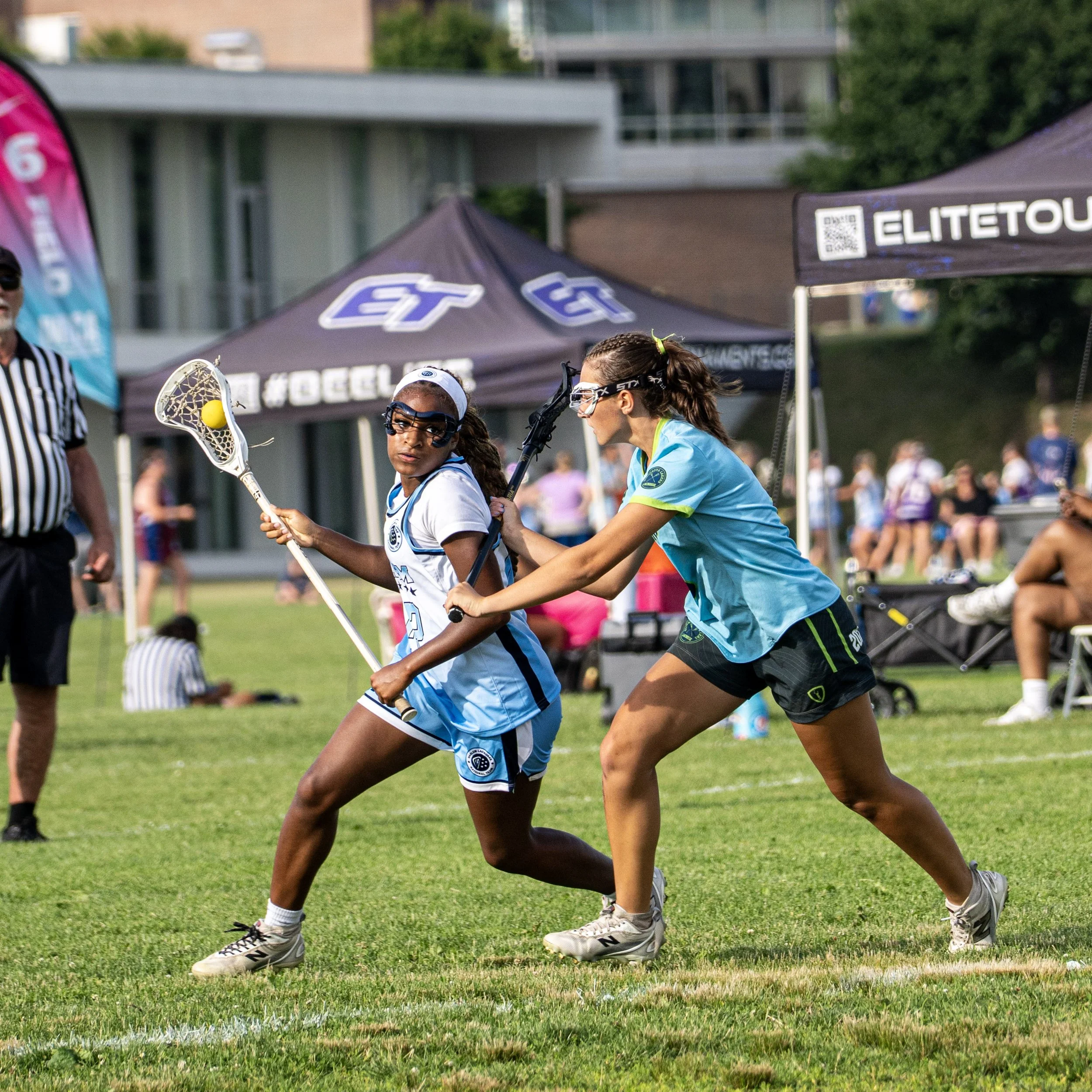
Developing lacrosse competency is a key driver of long-term engagement at Harlem Lacrosse because it builds confidence, belonging, and a sense of mastery that keeps students connected to their team and to school.
As students grow in skill and pride on the field, they become more invested in the relationships, routines, and academic expectations that anchor our theory of change and ultimately support their long-term success.